Own it, never rent your labor
Real wealth comes from owning equity in ventures, not from a salary, so Dennis argues you must retain ownership even at the cost of comfort. Giving away too much of the cap table is the fatal early mistake.
11 ideas
Real wealth comes from owning equity in ventures, not from a salary, so Dennis argues you must retain ownership even at the cost of comfort. Giving away too much of the cap table is the fatal early mistake.
Getting rich demands tolerance for others' disapproval, hard firings, and single-minded focus that damages relationships. Dennis frames the emotional cost as the real price of the fortune.
Find people better than you, pay to keep them, and delegate execution while guarding ownership and direction. The owner's job is capital allocation and talent, not doing the work.
Dennis insists the best time to take wealth-building risk is young, before obligations and fear of loss calcify. Comfort is the enemy; a hungry, slightly desperate mindset drives the necessary risk-taking.
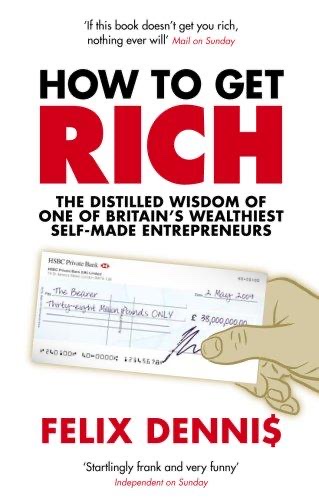
Dennis built a magazine empire (Maxim, computer titles) from near-poverty, using it as proof of his rules. His trajectory illustrates that a single owned hit can compound into a fortune.
Dennis is blunt that wealth did not make him happy and cost him deeply, but it did buy autonomy. He reframes the pursuit as a clear-eyed trade rather than a path to contentment.
After Bruce Lee's death in 1973, Dennis rushed out cheap kung fu poster magazines to meet a sudden surge of fan demand, and they made him his first real money. The case shows that a fast-moving fad rewards whoever moves first with a rough but workable product, not whoever waits to produce the best one.
Viewed honestly, great wealth is bought with time, health, relationships and peace of mind, and Dennis links his own years of excess, including heavy drug use, to the obsessive pursuit of money. Because time is the only currency that cannot be earned back, he says he would trade his fortune to regain his youth. Anyone chasing riches should count what they are actually spending.
Most capable people never try to get rich because they fear public embarrassment and looking foolish, not because they lack intelligence or capital. That fear is more disabling than any real obstacle, so accepting humiliation as a routine cost of trying is the precondition for starting at all.
In any negotiation, the side that needs the deal less holds the power. You must be genuinely prepared to walk away, never show eagerness, and let the other party fill silences and name numbers first. Desperation leaks through and is always priced in against you.
Original ideas are overrated and rarely produce fortunes. Money comes from taking an existing idea, improving or adapting it, and executing relentlessly. The winner is usually the one who does a known thing better, faster or more stubbornly, not the one who thought of it first.