A city read as a living character
Morris renders Hong Kong not as a guidebook subject but as a personality with mood, contradiction, and history. The place-portrait method treats a city the way biography treats a person.
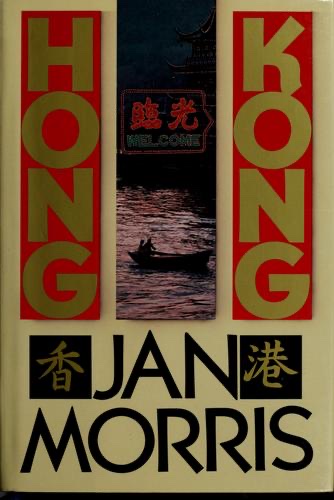
A portrait of Hong Kong as a living character, from its founding after the Opium Wars to the approach of 1997, with commerce as the city's animating spirit.
Morris renders Hong Kong not as a guidebook subject but as a personality with mood, contradiction, and history. The place-portrait method treats a city the way biography treats a person.
She dwells on Hong Kong as an accident of empire, a barren rock turned entrepot, whose success rests on an anomalous colonial bargain. The book captures a borrowed place on borrowed time before 1997.
Morris grounds the city in its founding as a British prize from the Opium Wars, a trading foothold seized for commerce. That original transaction shadows the whole subsequent character of the place.
She argues commerce and money-making are Hong Kong's true religion and organizing energy, above politics or ideology. Capitalism here is not a policy but the texture of daily life.