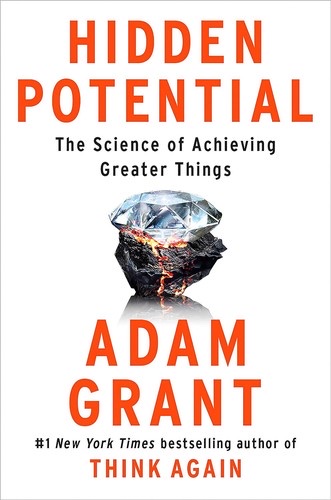
Cover of Hidden Potential

Hidden Potential

Adam Grant

6 ideas

  1. Character skills outweigh raw talent

    Grant argues that long-run achievement depends more on cultivable character skills (proactivity, discipline, absorbing feedback) than on innate ability. These skills, not talent, best predict who realizes potential.

  2. Scaffolding to reach higher ground

    Learners advance faster with temporary supports (mentors, structures, constraints) that are removed once mastery grows, echoing Vygotsky's zone of proximal development. The scaffold raises the floor, then comes down.

  3. Become a sponge for feedback

    Progress requires actively seeking and filtering feedback rather than waiting for it. The skill is discerning which sources to absorb and which to screen out, not taking all advice equally.

  4. Seek discomfort to accelerate learning

    Deliberately choosing discomfort, such as immersion before you feel ready, speeds skill acquisition. The unease itself is a signal that learning is happening.

  5. Judge people by distance traveled

    Evaluate potential by trajectory and rate of improvement rather than current absolute performance or pedigree. Someone who has climbed far from a low start may have more capacity than a high performer who started ahead.

  6. Imperfectionism over perfectionism

    Set a 'good enough' threshold calibrated to what the task actually requires, so effort goes where it matters. Perfectionists waste energy polishing the trivial and avoid the hard challenges that grow them.

Save and mark ideas in the app