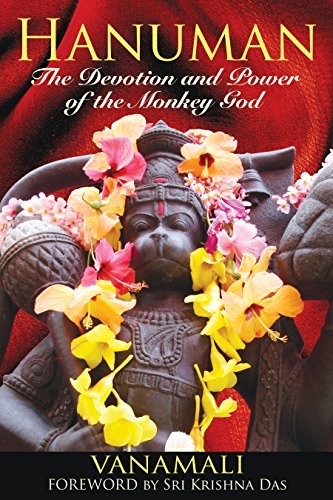
Cover of Hanuman: The Devotion and Power of the Monkey God

Hanuman: The Devotion and Power of the Monkey God

Vanamali

4 ideas

  1. Strength Activated Only Through Remembrance

    Hanuman possessed infinite strength but forgot it after a childhood curse, regaining access only when another being reminded him of who he was. Latent capacity remains dormant until an external trigger restores self-knowledge, meaning the limiting factor is often memory of one's power rather than the power itself.

  2. Devotion as the Annihilation of Ego

    Hanuman performs superhuman feats only when acting in service to Rama rather than for personal glory, and when asked who he is, he answers that he is Rama's servant. Surrendering the sense of separate selfhood removes the friction of self-interest, allowing action to flow without the hesitation and fear that protecting an ego produces.

  3. Tearing Open the Chest to Reveal Rama

    Given a pearl necklace, Hanuman bit each pearl looking for Rama inside and discarded them as worthless; mocked for this, he tore open his own chest to show Rama and Sita imaged within his heart. The story dramatizes that the beloved or ideal is internalized completely, making external tokens meaningless beside an inner reality that one will physically prove if doubted.

  4. The Servant as the Most Powerful Figure

    Hanuman, who insists on the lowly role of servant, is the one who crosses oceans, burns cities, and carries mountains — more capable than the kings he serves. Viewing power through the servant's position reveals that voluntary subordination can concentrate rather than diminish strength, because the servant is freed from the burdens of command and reputation.

Save and mark ideas in the app