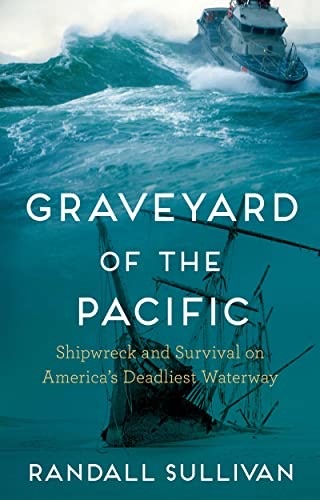
Cover of Graveyard of the Pacific

Graveyard of the Pacific

Randall Sullivan

4 ideas

  1. Convergence Zone of Maritime Death

    Specific stretches of coastline become disproportionately lethal because multiple hazards stack in one place: a shifting sandbar at a river mouth, colliding ocean and outflow currents, fog, and sudden storms. The danger is not any single factor but their geographic concentration, which turns an otherwise navigable passage into a statistically reliable killer.

  2. Bar Crossings Demand Local Knowledge Over Skill

    A river bar where freshwater meets ocean cannot be safely crossed by general seamanship; survival depends on tide-specific, location-specific timing that only repeated local experience provides. Even highly competent captains from elsewhere founder because the variables reset hourly and resist generalized rules.

  3. Shipwrecks as Layered Historical Records

    A wreck site is read not as a single tragic event but as an accumulating archive where each disaster adds wreckage, bodies, salvage attempts, and rescue infrastructure to those before it. Viewing the coast this way reveals patterns of repeated human error and environmental constancy across centuries.

  4. Lifesaving Crews Risking All for Strangers

    Volunteer and professional lifesaving crews launched small boats directly into the same conditions that had just destroyed larger ships, operating on the principle that they had to go out but did not have to come back. Their willingness to accept near-certain personal danger for unknown sailors illustrates how duty-bound institutions normalize extreme self-sacrifice.

Save and mark ideas in the app