The Islamic Republic is legitimate and stable
The Leveretts argue Iran's government commands genuine domestic support and is not on the verge of collapse. U.S. policy premised on imminent regime change therefore rests on wishful analysis.
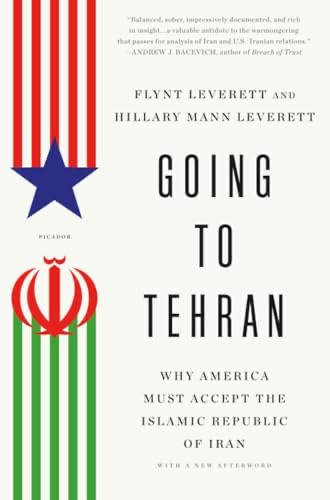
6 ideas
The Leveretts argue Iran's government commands genuine domestic support and is not on the verge of collapse. U.S. policy premised on imminent regime change therefore rests on wishful analysis.
They contend Tehran's behavior follows coherent national-security logic, not irrational ideology. Read that way, its nuclear and regional moves become negotiable rather than apocalyptic.
The authors indict decades of sanctions, isolation, and covert pressure as counterproductive. They call for a Nixon-to-China style opening that accepts Iran instead of trying to break it.
The book reads U.S. hostility as driven by domestic narratives about the 1979 hostage crisis and Israeli-Saudi interests. It argues policymakers see Iran through myth rather than interest, at strategic cost.
The Leveretts propose comprehensive negotiation trading security guarantees and normalization for restraint. Realism, in their view, means dealing with the Iran that exists, not the one Washington wishes for.
They argue rapprochement would let the U.S. stabilize the Middle East and reduce reliance on failing partners. Rejecting it, they warn, deepens American strategic overreach and decline.