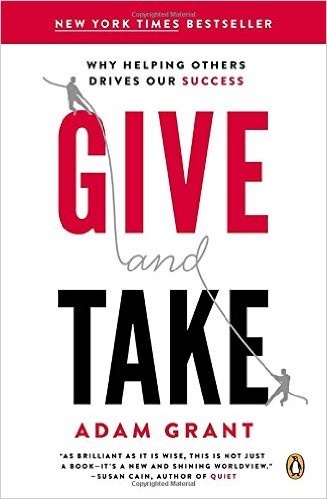
Cover of Give and Take

Give and Take

Adam Grant

6 ideas

  1. Givers, Takers, and Matchers

    People operate in workplace exchanges along three reciprocity styles: givers prioritize others' interests and contribute without keeping score, takers seek to get more than they give, and matchers trade favors on a strict quid-pro-quo basis. Most people are matchers by default, which means givers benefit from a culture where takers eventually get punished and giving gets reciprocated.

  2. Givers Occupy Both Extremes of Success

    Givers are overrepresented at the bottom of success metrics, where they burn out and get exploited, but they also dominate the very top. The deciding factor is not whether you give, but how you give — strategic, self-protective giving produces top performers while selfless, boundaryless giving produces doormats.

  3. Otherish Giving Versus Selfless Giving

    Selfless givers help others while ignoring their own needs, leading to exhaustion and diminished impact. 'Otherish' givers combine high concern for others with high concern for themselves, setting boundaries and choosing how and when to help, which sustains their generosity and makes it more effective over time.

  4. The Five-Minute Favor

    Givers can contribute meaningfully without depleting themselves by performing small acts of help that cost them under five minutes — an introduction, a piece of feedback, a recommendation. This keeps giving low-cost and scalable while still generating disproportionate value and goodwill for recipients.

  5. Powerless Communication Builds Influence

    Speaking tentatively — asking questions, admitting weaknesses, signaling vulnerability — makes givers more persuasive and trustworthy than dominant, assertive 'powerful' speech. By giving others a sense of control and respect, this approach earns prestige and commitment rather than mere compliance.

  6. George Meyer and The Simpsons Writers' Room

    Comedy writer George Meyer became enormously influential not by hogging credit but by making everyone around him funnier and generously contributing jokes others would get credit for. His giving raised the collective quality of the show and earned him deep respect, illustrating how generosity multiplies value in creative collaboration.

Save and mark ideas in the app