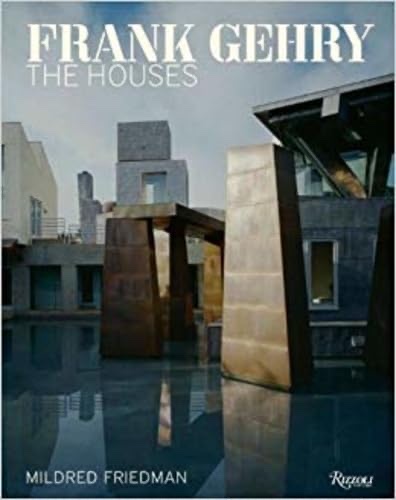
Cover of Frank Gehry: The Houses

Frank Gehry: The Houses

Mildred Friedman (ed.)

3 ideas

  1. Cheap Materials as Aesthetic Statement

    Gehry treated chain-link fencing, corrugated metal, plywood, and exposed studs as legitimate finished surfaces rather than things to hide. By leaving construction-grade materials visible and uncovered, the building exposes its own making and reframes 'unfinished' as a deliberate expressive choice.

  2. Gehry's Own House as Experiment

    Gehry wrapped an existing ordinary 1920s Santa Monica bungalow in new layers of corrugated metal, chain-link, and angular glass, leaving the original house visible inside the new shell. This act of building around and against what already existed turned renovation into a method of dialogue between old and new rather than replacement.

  3. Buildings as Collisions of Separate Volumes

    Rather than designing a single unified form, Gehry composed houses as collections of distinct geometric objects — boxes, sheds, and shapes — pushed together, tilted, and allowed to clash. The tension at the seams where these independent volumes meet becomes the primary source of visual interest and spatial drama.

Save and mark ideas in the app