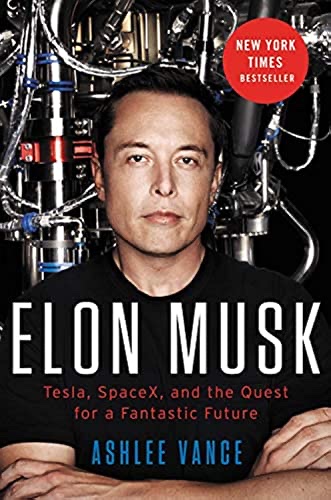
Cover of Elon Musk

Elon Musk

Ashlee Vance

4 ideas

  1. First-Principles Reasoning Over Analogy

    Instead of pricing a product by what comparable products cost, break it down to its raw physical components and calculate the floor cost of the materials themselves. Musk applied this to rockets and batteries, concluding that prevailing prices reflected inefficiency and convention rather than physical necessity, which justified building in-house.

  2. SpaceX and Tesla nearly die together, 2008

    By late 2008 Musk had put most of his PayPal fortune into SpaceX and Tesla, his marriage was ending, and both companies were weeks from running out of cash. Falcon 1 had failed on its first three launches, so SpaceX could afford only one more attempt; it reached orbit on September 28, 2008. NASA then awarded SpaceX a $1.6 billion cargo contract just before Christmas, and Tesla closed an emergency funding round on Christmas Eve, hours before it would have missed payroll.

  3. Impossible deadlines as a pressure tool

    Musk routinely set schedules he almost certainly knew were unrealistic. Read this way, the missed dates are less a planning failure than a deliberate way to pull maximum effort from engineers and rule out conventional timelines. The cost is chronic burnout, high turnover and damaged credibility with customers and investors when dates keep slipping.

  4. In-house manufacturing beats legacy supplier chains

    SpaceX and Tesla made many components themselves that incumbents bought from suppliers, because outside vendors quoted prices and lead times based on cost-plus aerospace and automotive norms. Owning production let the companies cut part costs by orders of magnitude, redesign parts quickly, and iterate without negotiating with outsiders. The trade-off is heavy upfront capital and management load in exchange for speed and cost control.

Save and mark ideas in the app