New York as psychological space
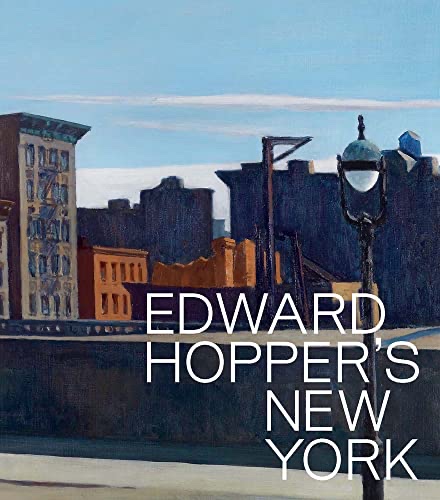
The catalog shows Hopper painting an invented, distilled New York of thresholds, windows, and half-empty rooms rather than landmarks. His city is a state of mind, an atmosphere of anonymity and interiority.
4 ideas
The catalog shows Hopper painting an invented, distilled New York of thresholds, windows, and half-empty rooms rather than landmarks. His city is a state of mind, an atmosphere of anonymity and interiority.
Hopper's recurring device is the framed view through a window, positioning the viewer as both voyeur and isolate. The window becomes his central metaphor for modern urban separateness.
The essays trace how Hopper synthesized rooftops, diners, and offices from many locations into fictional scenes. The realism is constructed, not observed, an argument for the artist as editor of the city.
The book argues Hopper renders loneliness as a neutral condition of city life, neither tragic nor comforting. That restraint is what gives the images their enduring emotional charge.