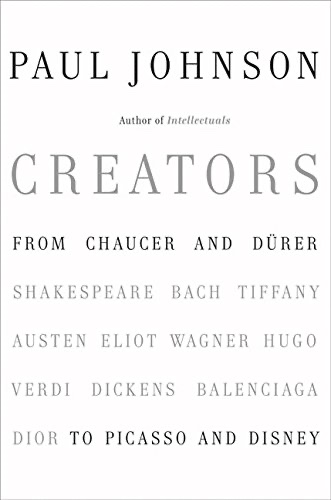
Cover of Creators: From Chaucer and Durer to Picasso and Disney

Creators: From Chaucer and Durer to Picasso and Disney

Paul Johnson

4 ideas

  1. Creativity Springs From Relentless Productive Work

    Genius is less about rare inspiration than about sustained, disciplined output produced over decades — Bach, Shakespeare, and Dürer created vast bodies of work through daily labor, not occasional flashes. The volume of production itself generates the masterpieces, because quantity creates the conditions for quality to emerge.

  2. Technical Mastery Precedes Creative Freedom

    The most original creators first achieved complete command of their craft's existing techniques before transcending them — Dürer mastered draftsmanship and engraving conventions, allowing him to innovate from a position of total competence. Innovation that skips technical apprenticeship tends to be shallow; the freedom to break rules depends on first knowing them absolutely.

  3. Judge Creators By Output, Not Personality

    A creator's moral failings, neuroses, and personal cruelties are separable from the value of what they make — the work should be assessed on its own merits rather than romanticized or dismissed through the artist's biography. This reverses the tendency to treat difficult temperament as evidence of genius or to let admiration excuse bad behavior.

  4. Disney As Industrialized Imagination

    Walt Disney built creative achievement through organization and technological investment — assembling teams, refining animation processes, and reinvesting profits into capability rather than relying on solitary inspiration. His genius lay partly in structuring collaborative production so that individual imagination could scale into enduring works.

Save and mark ideas in the app