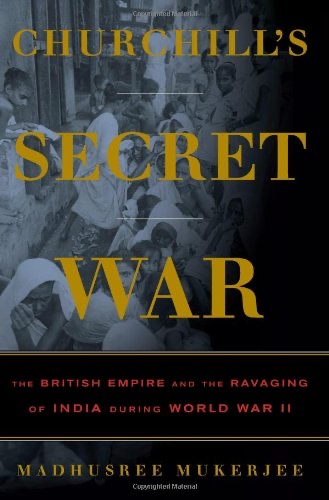
Cover of Churchill's Choice

Churchill's Choice

Madhusree Mukerjee

6 ideas

  1. Wartime policy worsened the famine

    Mukerjee argues Churchill's war cabinet exacerbated the Bengal famine by continuing food exports and refusing relief shipments while millions starved. The catastrophe was policy-shaped, not merely a natural failure.

  2. Denial policies as scorched-earth defense

    To deny resources to a feared Japanese advance, authorities confiscated rice stocks and 46,000 boats, wrecking Bengal's food distribution and livelihoods. Military precaution destroyed the region's economic base.

  3. Cherwell and Malthusian counsel

    Churchill's adviser Frederick Lindemann promoted Malthusian and racially dismissive views that shaped the cabinet's indifference to Indian suffering. Ideology at the top translated into inaction below.

  4. Empire subordinated colony to metropole

    The book documents how imperial priorities placed British and war needs above the lives of colonial subjects. It reframes the famine as a consequence of the colonial relationship itself.

  5. Archival evidence against a national myth

    Mukerjee marshals cabinet records and correspondence to challenge the heroic image of Churchill. The work is a documentary case that complicates a celebrated reputation.

  6. Famine as governance failure, not scarcity

    Echoing Sen, the account stresses food was available but denied by policy and distribution, so entitlement collapsed. People starved amid supply, because access, not stock, failed.

Save and mark ideas in the app