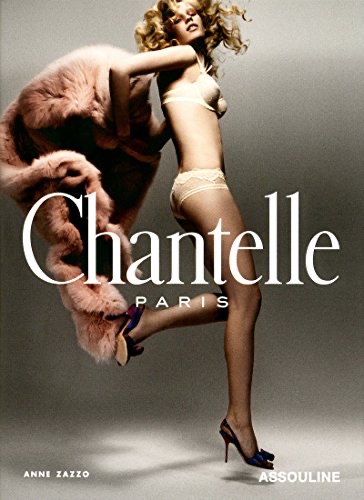
Cover of Chantelle

Chantelle

Anne Zazzo

4 ideas

  1. From 1876 corsetry to elastic modernity

    Chantelle traces its origin to a nineteenth-century Paris corset workshop that evolved with new elastic and knit technologies. The house's history mirrors the shift from rigid structural shaping to flexible everyday underwear.

  2. Technical innovation inside intimate apparel

    Advances such as stretch fabrics and molded construction quietly reshaped how the female body was supported and presented. The book shows lingerie as an engineering discipline, not only a decorative craft.

  3. Undergarments as social barometer

    Changing lingerie silhouettes track shifting ideals of the body, liberation, and femininity across a century. What women wore closest to the skin registered broad cultural change before outerwear did.

  4. Longevity through generational family ownership

    Chantelle's survival is attributed to continuous family stewardship that balanced heritage with reinvention. Long-term private ownership let the house invest in craft over short-term fashion cycles.

Save and mark ideas in the app