Diversification nearly destroyed LEGO
In the early 2000s LEGO chased theme parks, clothing, and video games and abandoned its core brick, driving it to the edge of bankruptcy. Unfocused creativity, not too little innovation, was the danger.
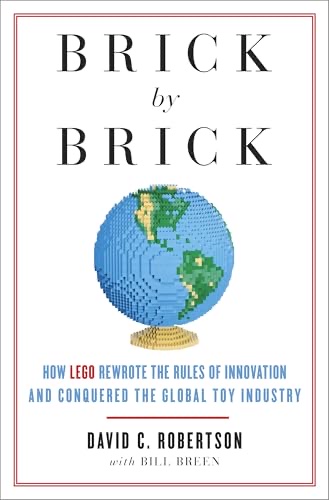
6 ideas
In the early 2000s LEGO chased theme parks, clothing, and video games and abandoned its core brick, driving it to the edge of bankruptcy. Unfocused creativity, not too little innovation, was the danger.
The book distills LEGO's recovery into principles such as hiring diverse creators, aiming at customers and blue oceans, and building an innovation culture. Innovation is treated as a manageable system, not luck.
LEGO recovered by disciplining designers around the brick system and clear boundaries rather than open-ended novelty. Well-chosen constraints focused inventive energy on profitable products.
LEGO tapped its passionate adult-fan community to co-design sets like Architecture and Mindstorms. Listening to lead users turned outside enthusiasm into product pipeline.
Robertson argues profitable innovation extends and reinforces a defensible core rather than fleeing it. LEGO thrived once new ideas served the brick instead of replacing it.
The book counters the cult of relentless disruption by showing innovation needs governance and portfolio balance. Not every unit should chase radical newness at once.