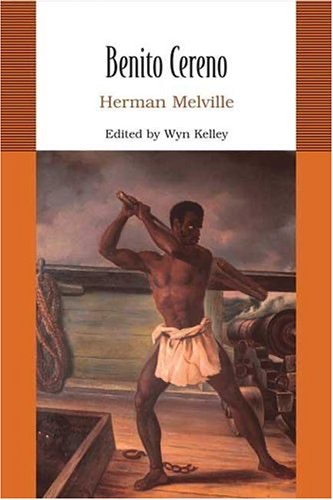
Cover of Benito Cereno (Bedford College Editions)

Benito Cereno (Bedford College Editions)

Herman Melville

5 ideas

  1. The moral horror of slavery indicted

    Beneath the suspense lies a somber judgment on slavery's violence and the self-deceptions that sustained it. Melville frames the calm surface of the slave system as concealing terror and vengeance that erupt when the order inverts.

  2. Prejudice as a blindness mechanism

    Delano cannot see the revolt because his belief that enslaved Africans are naturally docile, affectionate and incapable of planning makes the true hypothesis literally unthinkable, so every clue gets reassigned to a benign category. The bias does not just distort judgment; it removes the correct answer from the set of candidates the mind considers, turning the observer's contempt into the adversary's best camouflage.

  3. Staged normality exploits observer's expectations

    Babo controls Delano not by hiding things but by performing the exact master-servant tableau Delano expects to see, so that the visible surface confirms the observer's script. A convincing deception is built from the target's own assumptions; the more the scene matches what the viewer believes the world looks like, the less scrutiny any anomaly receives.

  4. Good nature can enable complacent misreading

    Delano's benevolence, trustfulness and self-assurance, qualities the narrative presents as genuine, repeatedly resolve his suspicions; each time unease rises he reassures himself that no one would harm someone as decent as he is. Melville suggests that an untroubled, optimistic temperament can function as a defense against inconvenient truth, making a well-meaning person reliably wrong about the power relations right in front of him.

  5. Delano's afternoon aboard the San Dominick

    In 1799 off Chile, American captain Amasa Delano boards a battered Spanish slave ship whose captain, Benito Cereno, is pale, faltering and constantly attended by his devoted servant Babo; Delano spends hours noting anomalies (a shaved-with-razor scene, hatchet-polishers, a padlocked giant named Atufal, whispered warnings) and explains each away. Only when Cereno leaps into Delano's departing boat and Babo follows with a dagger does Delano realize the Africans had revolted, killed the slaver Aranda, and were staging the entire scene of servitude for his benefit.
Save and mark ideas in the app