Systems beat goals
Clear argues you do not rise to your goals but fall to your systems. Outcomes are lagging measures of the routines you repeat, so improving the process matters more than fixating on the target.
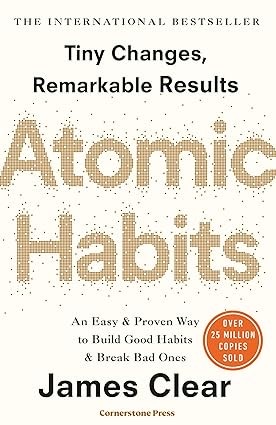
6 ideas
Clear argues you do not rise to your goals but fall to your systems. Outcomes are lagging measures of the routines you repeat, so improving the process matters more than fixating on the target.
Tiny improvements of one percent, repeated daily, compound into dramatic results over time, while tiny declines compound the other way. Habits are the compound interest of self-improvement.
To build a habit make it obvious, attractive, easy, and satisfying; to break one, invert each law. This gives a lever for every stage of the cue-craving-response-reward loop.
Lasting change comes from changing who you believe you are, not just what you want. Each action is a vote for a type of person, so you build habits by asking what that identity would do.
Make good cues visible and bad cues invisible, and anchor a new habit to an existing one (after X, I will do Y). Shaping context does more reliable work than relying on willpower.
Start any habit in a version that takes under two minutes to lower activation cost, and expect a plateau of latent potential before results appear. Persistence through the flat stretch is where most people quit.