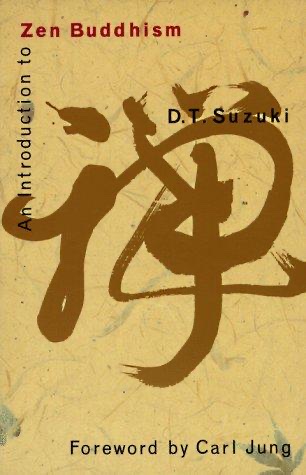
Cover of An Introduction to Zen Buddhism

An Introduction to Zen Buddhism

D.T. Suzuki

6 ideas

  1. Enlightenment Bypasses Intellectual Analysis

    Zen holds that ultimate truth cannot be reached through logical reasoning, doctrine, or conceptual analysis, because these only fragment reality into subject and object. Understanding must come through a direct, immediate grasp of life as it is, prior to any intellectual mediation.

  2. Satori as Sudden Perceptual Reorientation

    Satori is an abrupt shift in viewpoint in which a person suddenly perceives the unity and meaning of existence that was always present but obscured by ordinary dualistic thinking. It is not gradual accumulation of knowledge but an instantaneous turning, after which the same world appears completely transformed.

  3. The Koan as Logic-Exhausting Device

    A koan is a deliberately unanswerable problem (like the sound of one hand) given to drive the intellect to its absolute limit until it collapses from exhaustion. The breakdown of rational problem-solving is the intended mechanism, forcing the mind to abandon conceptual reasoning and break through to direct insight.

  4. Seeing Ordinary Acts as Ultimate Truth

    Zen treats everyday activities — chopping wood, drinking tea, carrying water — as complete expressions of reality rather than mundane interruptions to spiritual life. The sacred is located not beyond ordinary experience but fully within concrete, immediate action, so enlightenment changes how you do simple things rather than removing you from them.

  5. Self-Reliance Over Scripture and Authority

    Zen insists each person must attain insight through their own experience rather than relying on sacred texts, external saviors, or transmitted authority. Truth that is merely received secondhand is dead; only what is realized firsthand within oneself has spiritual reality.

  6. Hui-neng and the Mind That Moves

    When two monks argued whether a flag or the wind was moving, the sixth patriarch Hui-neng told them neither moved — it was their minds that moved. The anecdote relocates the source of phenomena and conflict from the external world into the perceiving mind itself.

Save and mark ideas in the app