Buy when others are fleeing
Zell made his fortune buying distressed and out-of-favor assets when everyone else was selling, then holding until sentiment turned. Contrarian timing against the herd is his core investing principle.
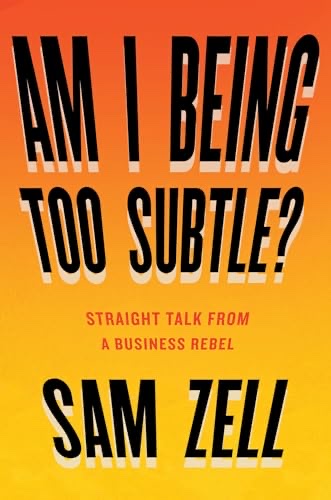
7 ideas
Zell made his fortune buying distressed and out-of-favor assets when everyone else was selling, then holding until sentiment turned. Contrarian timing against the herd is his core investing principle.
Zell reduces investing to reading supply-demand imbalances and betting where scarcity will eventually reprice assets. He treats disciplined fundamentals as more reliable than narrative or hype.
Zell cultivates a rule-breaking, blunt, anti-establishment persona that he credits for seeing opportunities conformists miss. Questioning conventional wisdom is presented as a source of edge, not just style.
Nicknamed the 'grave dancer' for buying troubled properties, Zell built one of the largest real estate and diversified holdings in the US. His deals illustrate profiting from others' misjudged distress.
Zell's 1976 essay 'Grave Dancer' named his strategy of buying overbuilt, foreclosed, or bankrupt assets from lenders and owners forced to sell after the mid-1970s real estate crash. The buyer pays a fraction of replacement cost, then waits for supply to be absorbed and holds as values recover.
He sold because buyers were paying more than he believed the buildings were worth, not because he had turned bearish on offices. The deal closed months before the credit crisis collapsed commercial property values.
Zell argues that the first question on any deal is how much can be lost and whether the loss is survivable. He favors structures that cap the loss, such as buying below replacement cost, using long-term fixed-rate non-recourse debt, and avoiding personal guarantees. If the worst case is survivable, the upside needs no special engineering.