Avoiding stupidity over seeking brilliance
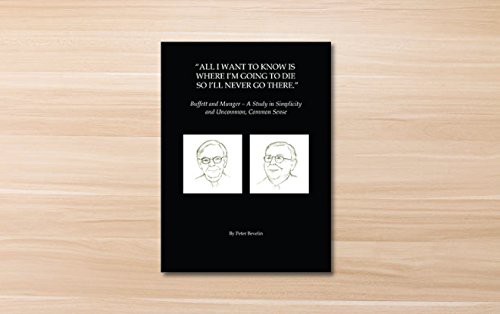
Consistently sidestepping serious error compounds into good outcomes more reliably than seeking cleverness. The negative path to wisdom is more dependable than the positive one.
6 ideas
Consistently sidestepping serious error compounds into good outcomes more reliably than seeking cleverness. The negative path to wisdom is more dependable than the positive one.
Wisdom is presented as a curated collection of others' hard-won principles rather than original theory. The value lies in assembling and cross-referencing proven mental models.
Act only in areas where you truly understand the economics and the odds, and knowing precisely where that circle ends matters more than how big it is. Mistakes come less from ignorance itself than from wandering outside your competence while believing you are still inside it.
People reliably do what they are rewarded for, and they rationalize it afterward, so bad incentive structures produce bad conduct even from decent people. To predict or change behavior, look first at how people are paid, promoted or punished rather than at their stated values or character.
Instead of asking how to succeed, ask what would guarantee failure, such as misery, ruin or a bad decision, and then systematically avoid those causes. Removing the known sources of disaster is often easier and more reliable than engineering brilliance, because staying out of the worst outcomes lets compounding and ordinary competence do the rest.
A person who knows only one discipline distorts reality to fit it, like the man with a hammer who sees every problem as a nail. Carrying the big ideas from psychology, economics, mathematics, physics and biology lets you check problems from several angles, and seeing multiple forces act together (lollapalooza effects) explains extreme outcomes that any single model misses.