Owner-operators outperform
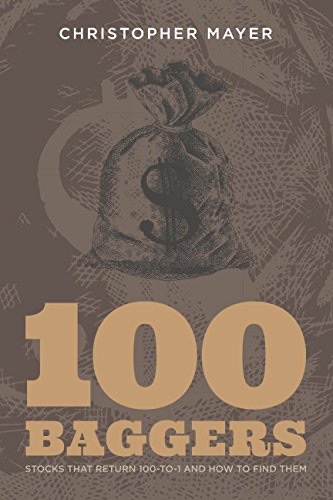
Mayer finds a recurring trait in 100-baggers: founders or families with large personal stakes who allocate capital like owners. Skin in the game aligns management with long-term compounding rather than quarterly optics.
6 ideas
Mayer finds a recurring trait in 100-baggers: founders or families with large personal stakes who allocate capital like owners. Skin in the game aligns management with long-term compounding rather than quarterly optics.
The best compounders can plow earnings back into the business at consistently high returns on invested capital. This internal compounding, not dividends, is what drives the exponential curve.
Mayer stresses that 100x returns require sitting through severe declines and long dead periods that shake out most investors. The math is available to anyone; the temperament to endure it is rare.
Buy a set of carefully chosen stocks, then leave them untouched for ten or more years, like old certificates stored in a coffee can. The method works because enforced inactivity blocks the costly habit of selling winners early and trading on noise. It lets the few big compounders run long enough to outweigh the losers.
The biggest winners combine earnings growth with multiple expansion: earnings rise many times over while the market also raises the price it pays for each dollar of those earnings. Buying a growing company at a modest valuation lets both engines multiply together, while overpaying removes one of them.
A hundredfold gain is far easier from a small market capitalization, because a $500 million company can plausibly become a $50 billion one, while a giant would need an implausibly large share of the economy. Look for small companies with a long runway of reinvestment opportunity ahead of them, not companies that already dominate their market.